
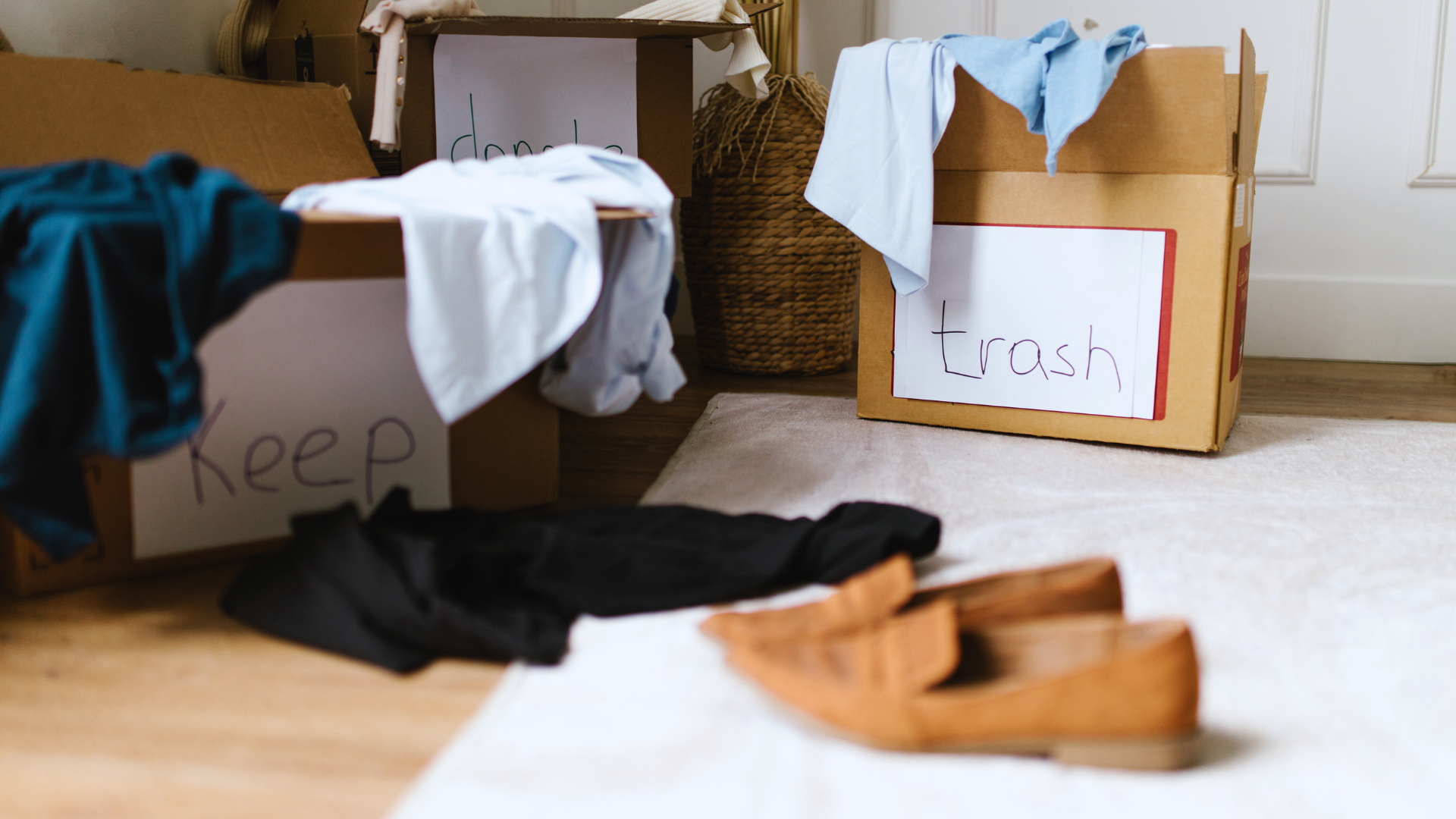


A cluttered home can lead to stress and distraction, making it challenging to enjoy your space. Implementing simple decluttering methods can create a more organized and peaceful environment. This blog post explores effective strategies that anyone can use to easily reclaim their living areas.
Many people feel overwhelmed by the idea of decluttering, but it doesn’t have to be an arduous task. By breaking the process into manageable steps and using helpful techniques, anyone can significantly reduce clutter in their home. The following practical tips will guide readers toward a more streamlined and functional living space.
Whether someone is looking to optimize small areas or tackle entire rooms, there are straightforward ways to make the process efficient and rewarding. From sorting belongings to utilizing creative storage solutions, transforming a cluttered home is achievable with the right approach.
Understanding Clutter and Its Impact
Clutter can significantly affect both mental well-being and productivity. Its presence in the home may contribute to heightened stress and lower emotional resilience. Recognizing these impacts can encourage effective decluttering strategies.
The Psychology of Clutter
Clutter can create a sense of chaos that affects mental health. A disorganized space often leads to increased stress and feelings of being overwhelmed. This can keep individuals in a cycle of procrastination, making it harder to engage in daily activities.
People surrounded by clutter may experience higher levels of anxiety and even symptoms of depression. Research shows that a tidy environment can foster a more relaxed state of mind. Furthermore, simplifying living spaces can improve focus and concentration, enhancing productivity in various tasks.
Health Benefits of a Decluttered Space
A decluttered environment promotes physical and mental health benefits. Reducing clutter can lead to improved air quality and less dust accumulation, positively affecting respiratory health. Moreover, a clean space encourages healthier habits.
Mental clarity often follows physical organization. Individuals may find that with fewer distractions, they experience lower stress levels. This reduction in chaos can enhance emotional well-being and foster a sense of control and accomplishment. By prioritizing decluttering, he or she might attain a healthier lifestyle and better mental health.
Strategic Decluttering Methods
Effective decluttering requires specific strategies that can make the process smoother and more efficient. Different methods cater to various preferences and can be implemented depending on individual needs. Here are three well-regarded approaches to declutter your space.
The Five-Category Method
This method involves sorting items into five distinct categories: Keep, Donate, Sell, Trash, and Temporary.
- Keep: These are items you use regularly and genuinely need.
- Donate: Items in good condition that can benefit others.
- Sell: Valuable items that can generate income.
- Trash: Broken or unusable items.
- Temporary: Items requiring further deliberation.
This approach provides a clear system for decision-making, ensuring nothing is overlooked. It fosters quicker, more thoughtful decluttering, streamlining the process.
The KonMari Approach by Marie Kondo
Marie Kondo advocates for a unique method that focuses on the emotional connection to belongings. She encourages individuals to consider whether each item “sparks joy.”
- Visualize your desired space: Before starting, envision the tidy environment you want.
- Tackle categories, not rooms: Begin with clothes, then books, papers, komono (miscellaneous), and finally, sentimental items.
- Display items: Organize belongings in a way that attracts attention and appreciation.
This method urges a mindful approach to decluttering, allowing individuals to forge a deeper connection with their items while promoting a more organized space.
Room-by-Room Strategies
Implementing a room-by-room strategy breaks decluttering into manageable sections. This method creates focused areas, making the task less overwhelming.
- Start with easy areas: Begin in a room that feels less cluttered or significant.
- Set time limits: Dedicate specific intervals for each room to maintain momentum.
- Clear surfaces first: Focus on simplifying tabletops and countertops, as tidy surfaces greatly enhance visual clarity.
This structured approach helps maintain concentration on specific tasks, promoting progress and facilitating an organized outcome.
Practical Decluttering Actions
Effective decluttering involves practical techniques that can streamline the process and make it more manageable. Focusing on organization, handling sentimental items, and ensuring responsible disposal can greatly enhance the decluttering experience.
Sorting and Organization Techniques
Begin the decluttering process by sorting items into categories. A popular method is the Four-Box Method, which involves labeling four boxes: Keep, Donate, Sell, and Trash. This allows for quick decisions about where each item belongs.
A decluttering checklist can serve as a guide, helping to identify which areas need attention. Each room should be tackled one at a time to avoid feeling overwhelmed. Start with smaller spaces, like a drawer or a shelf, to build momentum.
Implement organizing tools like bins, shelves, and drawer dividers. This not only aids in keeping items tidy but also makes it easier to locate things later. Consistent labeling of storage solutions helps maintain order.
For items you want to keep but don’t have space for at home, consider external storage options. Many people often explore top local storage providers to find secure and convenient units nearby. This tends to make it easier to maintain a clutter-free home while keeping important belongings accessible.
Dealing with Sentimental Items
Sentimental items often pose a significant challenge during decluttering. To manage these items, consider the 20/20 Rule: if it’s easy to replace, like a small item, and costs under $20, it may be easier to let go.
Evaluate the emotional value of each item. Keeping a few meaningful pieces is often enough to preserve memories without cluttering the space. Taking photos of larger items can also serve as a reminder without taking up physical space.
Creating a dedicated space for sentimental items allows for organized storage. This way, cherished belongings are kept without overwhelming the living area.
Recycling and Disposing Responsibly
Disposing of certain items requires thoughtfulness, especially with electronics and plastics. Recycling should always be considered to minimize environmental impact. Locate local recycling centers and programs to ensure proper disposal.
Items in good condition can be donated to charities or resold online. This not only aids others but also clears space effectively.
For hazardous materials, such as paint or batteries, check local regulations for safe disposal methods. Avoid throwing these items in regular trash, as they can pose environmental risks.
Establish a routine for handling junk mail, expired products, and other waste to keep clutter at bay. Making responsible choices benefits both the home and the planet.
Maximizing and Maintaining Decluttered Spaces
Creating a lasting sense of order in a home involves strategic organization and consistent habits. By enhancing storage in key areas, adopting sustainable practices, and knowing when to seek outside help, one can maintain an organized environment effectively.
Optimizing Storage in Key Areas
Maximizing storage starts with identifying clutter hotspots, such as kitchen cabinets, the living room, and the bathroom. Using vertical space can significantly increase storage capacity. Shelving units, wall hooks, and over-the-door racks are practical solutions.
For kitchen decluttering, consider using clear containers for pantry items. This promotes visibility and reduces waste. In the bathroom, drawer organizers can help keep toiletries neatly arranged. Utilizing multi-functional furniture, like ottomans with storage, can declutter living areas while serving a dual purpose.
Creating Sustainable Organizing Habits
Establishing organizing habits is crucial for maintaining a decluttered home. A daily 10-minute tidy-up can keep clutter at bay. Regularly evaluate items in frequently used areas, ensuring they remain functional.
To declutter your closet, adopt the “one in, one out” rule: when acquiring a new item, let go of an old one. Scheduled seasonal reviews can help individuals reassess their belongings. Encouraging family members to adopt these habits fosters a collective effort in the organization.
When to Consult a Professional Organizer
Some may find their clutter challenges overwhelming. A professional organizer can provide tailored solutions, particularly for specific needs. Identifying when to consult one is essential.
If clutter hotspots consistently disrupt daily life or if a large accumulation of items causes stress, seeking a professional can be beneficial. They offer fresh perspectives on effective storage and organization strategies. Hiring a professional organizer can lead to more efficient systems that suit an individual’s lifestyle, ultimately creating a more harmonious living environment.
Leave a Reply