


How to Coordinate Dental Care for the Whole Family Without the Stress
Scheduling dental appointments for a family is not a health issue, it’s a logistics issue. If you approach it that way, it’s much simpler to manage.
Build Your Schedule Around Block Appointments
The biggest issue with family dental care is the fragmented schedule. One kid goes on Tuesday, another on Thursday, you move your appointment twice, and your spouse is six months overdue because the stars never align.
Block scheduling is the solution. Call in advance and simply ask if they can book two or three family members back-to-back or even overlap if there’s the capacity. Smalltown practices likely do it all the time. They either will or won’t, and any family practice worth their salt has the means and will to accommodate you, you just have to ask.
Find One Practice That Sees Everyone
Having to split care between a pediatric office and an adult practice does more than just double the bookings every six months. It creates two sets of records, two billing relationships, two phone numbers to remember, and double the coordination every time anything changes.
A multi-generational practice handles everything under one roof. The same team sees your toddler’s first teeth, your teen’s orthodontic evaluation, your own periodontal maintenance, and your partner’s crown. That continuity matters more than most people realize, when a clinician has watched a child’s jaw development over several years, early alignment issues get caught before they require expensive intervention.
Finding a reliable family dentist montrose that families can actually visit together is the first real step to cutting the scheduling friction that makes dental care feel unmanageable.
Introduce Kids to the Clinic Before Anything Needs Doing
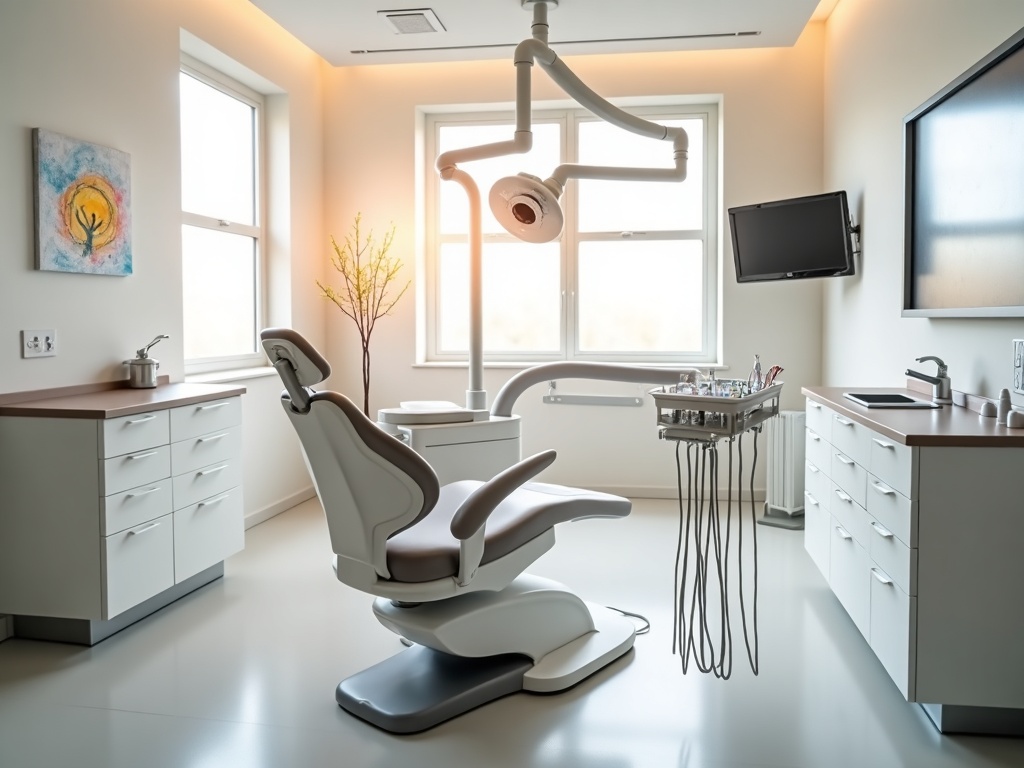
Dental anxiety in children is not caused by a single negative experience, but rather by the accumulation of unfamiliarity: the chair, the light, the sounds. A child who has never visited the dentist before needing a filling is at a disadvantage.
That’s why many practices offer so-called "happy visits", non-clinical, low-stress introductory appointments where the child simply gets used to the surroundings. Sits in the chair, has a look, maybe a clean at most. It’s all about preventing the first dental visit from also being a high-stakes one.
This is more important than it might sound. Tooth decay alone led to over 68,000 hospitalizations in a recent year in Australia (AIHW). It’s the most common cause of preventable hospitalizations from dental issues among children under 9. Most of those cases are preventable, and prevention comes from early, regular visits. And children only get regular visits if they don’t hate the dentist.
Track Your Benefits Before You Book
Dental expenses can become overwhelming really quickly for families, and the reality is, you don’t know what you could have claimed until you’ve already paid more than you could afford for something you didn’t expect to need in the first place.
Here’s how: do an audit before you even make an appointment. Check what your private health insurance (if you have it) actually covers, and then make yourself aware of what government benefits and schemes your children may be eligible for. Some basic dental schemes cover kids, and all have limits on what can be claimed.
The idea is to book an appointment before benefits reset, if you can, and many people don’t even know their limits until they’ve hit them or lost them for the year so there’s no chance. Be a smart planner and keep on top of your bills and benefits.
Fissure sealants and fluoride treatments are often overlooked at this stage, parents focus on the exam and cleaning and don’t ask about preventative add-ons that are sometimes covered or low-cost. Ask specifically. They’re worth it for kids with permanent molars coming in.
Make Home Habits Part of the System, Not a Daily Battle
Families who have the easiest time dealing with dental care regularly are those who have removed resistance from their daily family life. This does not imply that parents should constantly be admonishing their kids about the risks of tooth decay. Rather, the goal is to establish a routine that is so automatic that there is no longer a daily battle at home.
Games or competitions can be very effective for younger kids. There are several good apps with built-in timers out there. Some have monitors and reward systems as well. If the app isn’t your thing, a paper-and-sticker chart can work just as well. Merely brushing along with a parent is sometimes all it takes to turn what seems like a chore in a power struggle into a fun, cooperative experience.
Introducing custom mouthguards to kids in school who play sports is also a valuable addition to the system. It’s a simple one-time visit and a routine expectation for care. But the difference in protection compared to over-the-counter options is significant.
Run it Like Any Other Household System
The families that have the most difficulty with dental care are not the ones that are unconcerned about their health, they’re the ones whose health they’re managing reactively. Appointments for emergencies, rescheduling at the last-minute, kids who won’t get in line because they feel strange in the clinic.
You just need to build the system once. Block out the appointments, find a practice, get your kids in early, monitor your benefits. After the first year, it more or less manages itself.
Leave a Reply